AKIO NARIMATSU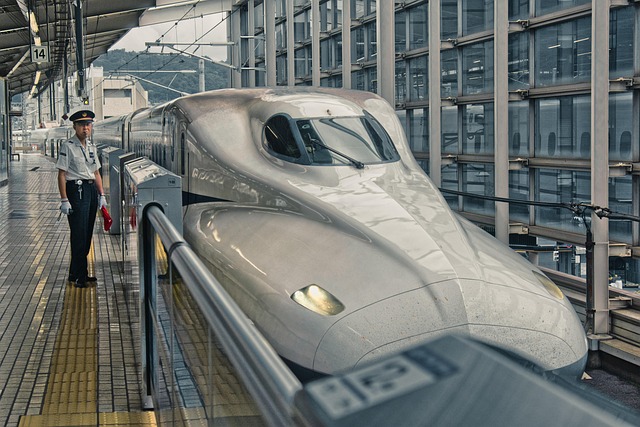
Mastering the Japanese Transit Maze: Essential Tips
- Digitalize Your Transit Pass: Skip the physical ticket counters and add a digital Suica or Pasmo card to your smartphone’s wallet before you even depart for Japan. It works seamlessly for trains, buses, and even vending machines with a simple tap.
- Leverage Luggage Forwarding (Takkyubin): Never haul a large suitcase onto a crowded commuter train. Use a “hands-free” delivery service to send your bags from one hotel to the next for a nominal fee, ensuring you can navigate stations with ease.
- Decipher the “Train Type” Hierarchy: Always verify if your train is a Local, Rapid, Express, or Limited Express. Taking a Limited Express without the specific surcharge ticket—or a Rapid that skips your small station—is the most common mistake for first-timers.
- The “Yellow Sign” Rule: When lost in a massive hub like Shinjuku or Osaka-Umeda, stop looking at your phone and look up. The yellow overhead signs provide the most accurate exit numbering system, which corresponds directly to Google Maps exit suggestions.
The Invisible Barrier: Why Guidebooks Fail at Shinjuku Station
Most guidebooks present Japanese transportation as a miracle of punctuality and logic. While true, they often gloss over the sheer psychological exhaustion of “vertical navigation.” In Japan’s major metropolitan hubs, a station isn’t just a platform; it is a multi-level subterranean city. The “real” problem travelers face is not the trains themselves, but the transitions between them. Guidebooks might tell you that a transfer takes five minutes, but they don’t account for the three levels of escalators, the sea of 200,000 commuters moving in the opposite direction, and the “exit paralysis” that occurs when you realize your destination is at “Exit A7” and you are currently at “Exit 14.”
Field-Tested Navigation Hacks
To move through Japan like a local, you must look for the small, field-tested clues that aren’t printed in glossy brochures. For instance, on the platform floor, you will see markings indicating where the doors will open. Look closer: many stations also list which car number aligns perfectly with the stairs or elevators for your specific transfer. By positioning yourself at the correct car before the train arrives, you bypass the bottleneck of passengers at your destination.
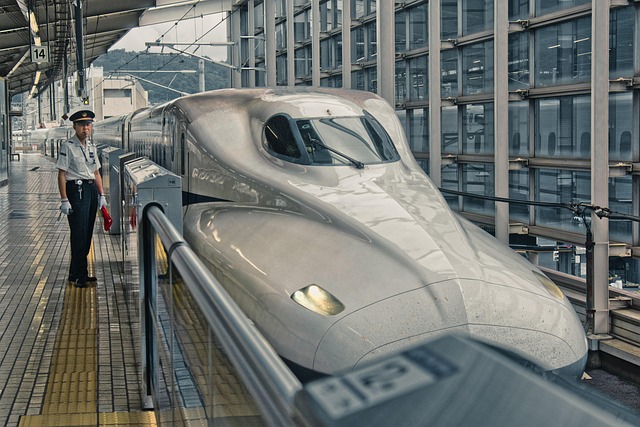
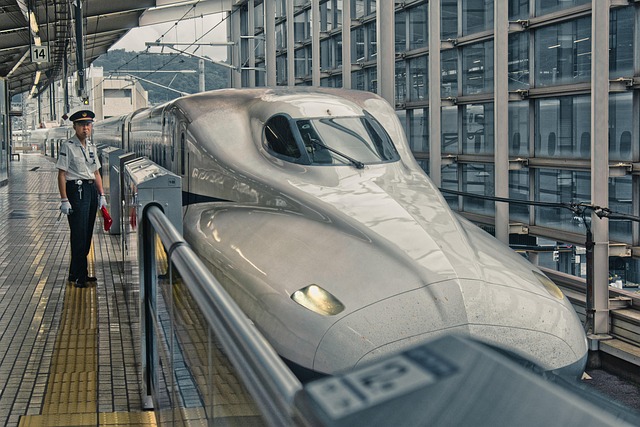
Furthermore, when using buses in cities like Kyoto, the “back-door entry, front-door exit” system is standard. You tap your IC card upon entry to register your location and tap again at the front to pay when you leave. If you are traveling between major cities and find the Shinkansen (bullet train) pricing steep, the “Highway Bus” network is the industry’s best-kept secret. These buses offer premium reclining seats and individual privacy curtains, often at a third of the price of a train ticket, while showcasing stunning rural vistas you’d otherwise miss at 300km/h.
The Insider’s Verdict: Rethinking the Transit Experience
As a veteran of the Japanese travel industry, I’ve watched the landscape shift from the dominance of the JR Pass to a more nuanced, regional approach. Following the recent price hikes to national rail passes, the savvy traveler now looks toward regional passes or point-to-point booking via apps like Smart-EX. My unique perspective is this: do not over-schedule your transit. In Japan, the journey is meant to be a frictionless part of the aesthetic experience. If you find yourself rushing to catch a train to save four minutes, you’ve already lost the “Zen” of Japanese travel. Slow down, use the luggage forwarding services to free your hands, and remember that in Japan, being “on time” actually means arriving five minutes early.
KEYWORDS: japan train station, shinkansen, travel transport
Photo: Pixabay / Pixabay License