AKIO NARIMATSU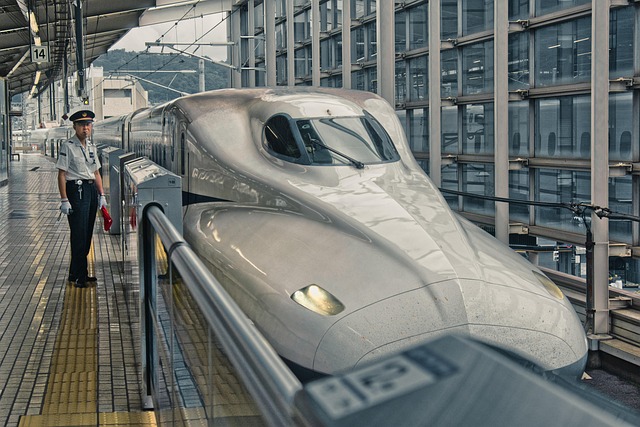
Mastering the Golden Route: A 12-Day Blueprint for the Modern Japan Explorer
- Leverage the Takkyubin service: Never haul heavy suitcases through Shinjuku or Kyoto Station. Use “luggage forwarding” services at your hotel to send bags ahead to your next destination for a nominal fee, allowing you to travel light on the Shinkansen.
- Make Osaka your logistical anchor: Instead of switching hotels between Kyoto and Osaka, book a central stay in Osaka (near Umeda or Namba). The 30-minute commute to Kyoto is a small price to pay for superior nightlife, better dining value, and easier access to Nara.
- Secure Ghibli and high-demand tickets 90 days out: For attractions like the Ghibli Museum or trendy omakase spots, the planning window is firm. Mark your calendar for the exact minute tickets go on sale; they often vanish within thirty minutes.
- The “Alps Transition” requires a dedicated day: Moving from Tokyo to the Japanese Alps (Takayama) and then down to Kansai involves significant transit. Treat the train ride on the Hida Wide View Express as a sightseeing activity in itself rather than just a commute.
The “Hyper-Efficiency Trap”: What Guidebooks Won’t Tell You
The most significant frustration first-time travelers face isn’t a lack of information, but the overwhelming density of it. Standard guidebooks provide a list of “must-see” landmarks—the Fushimi Inari gates, the Shibuya Crossing, the Golden Pavilion—but they fail to mention the physical and mental tax of the “Golden Route.” Travelers often find themselves in a state of “temple fatigue” by day eight, where the architectural wonders of Kyoto begin to blur together because the itinerary didn’t account for the sensory overload of Japan’s urban centers.
The real problem is the disconnect between a map and the reality of Japanese transit hubs. A “10-minute transfer” in a station like Shinjuku can easily take thirty minutes for a newcomer. This leads to a rushed, checklist-style vacation where you spend more time staring at Google Maps than at the scenery.
Field-Tested Strategies for a Balanced Itinerary
To avoid the exhaustion of the typical tourist path, savvy travelers are now utilizing “gateway” towns and strategic home bases. For instance, rather than trying to see the entire Ghibli Park and the Museum in one breath, prioritize the Mitaka Ghibli Museum during your Tokyo stay to keep your schedule flexible. In the Japanese Alps, don’t just pass through; use Takayama as a two-night sanctuary. It serves as the perfect launchpad for a half-day trip to the thatched-roof villages of Shirakawa-go, allowing you to experience the rustic charm of the Edo period without the stress of a rushed day-trip from a major city.
Another insider workaround is the Nara “Late-Start” strategy. Most tourists flock to the Nara Deer Park in the early morning. By arriving in the mid-afternoon and staying through the early evening, you avoid the heavy tour bus crowds and experience the Todai-ji Temple in a much more contemplative, quiet atmosphere. Pair this with a return to Osaka for a late-night street food tour in Dotonbori to maximize your cultural exposure without feeling like you’re on a forced march.
The Insider Perspective: Finding the Rhythm of Japan
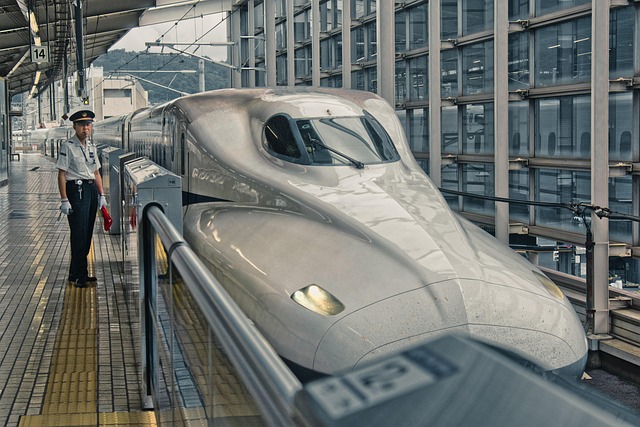
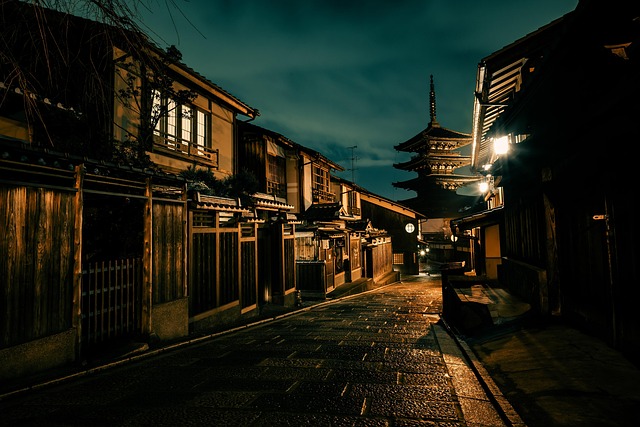
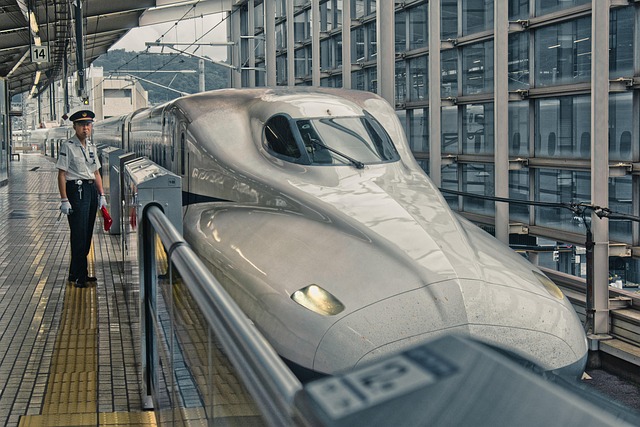
As a veteran of the Japanese tourism industry, I’ve observed that the most successful trips are those that respect the “Ma” (pause)—the Japanese aesthetic concept of negative space. Your itinerary should not be a back-to-back sequence of shrines. The true magic of Japan happens in the liminal spaces: the quiet morning walk in a Takayama residential neighborhood, the steam rising from a bowl of ramen in a hidden Osaka alleyway, or the choreographed precision of a Shinkansen platform.
Pro tip: If your 12-day journey feels too “urban,” pivot your Kyoto days. Instead of the crowded Arashiyama Bamboo Grove, head to the northern hills of Kibune and Kurama for a forest hike between mountain temples. This provides the necessary “green break” that resets your perspective, ensuring that when you finally return to the neon glow of Tokyo for your final night, you aren’t just exhausted—you are inspired.
KEYWORDS: takayama old town, japan travel itinerary, shinkansen train
Photo: Pixabay / Pixabay License