AKIO NARIMATSU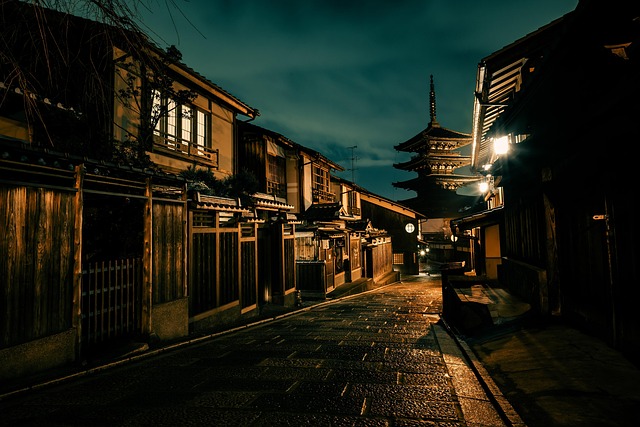
Essential Tips for Navigating Mid-Summer in Japan
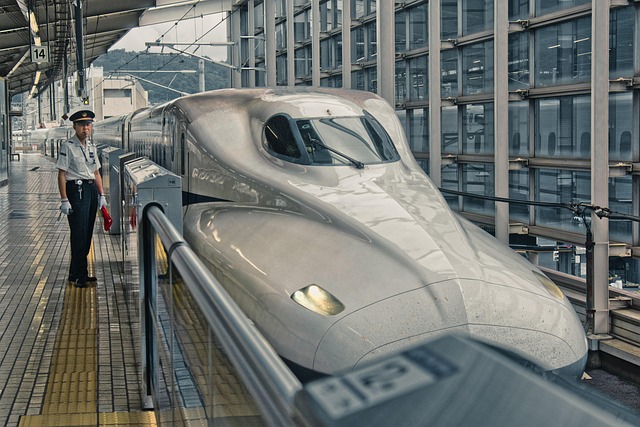
- Master the “Hands-Free” Travel System: Utilize Takkyubin (luggage forwarding services) to send your heavy suitcases between Tokyo, Kyoto, and Fukuoka. Navigating Shinkansen stations with large bags in 35°C heat is the fastest way to exhaust your energy.
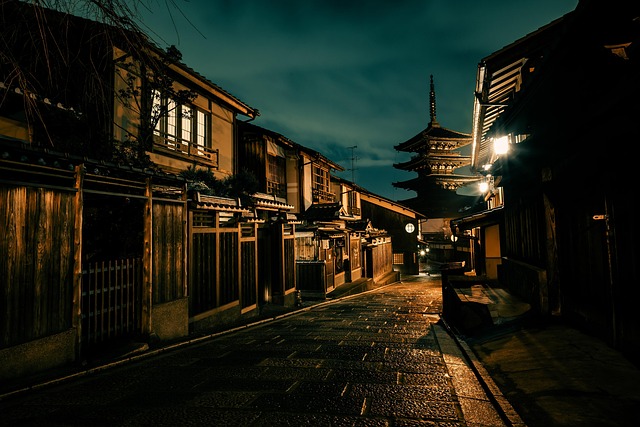
- Strategic Festival Timing: If your trip coincides with July, the Gion Matsuri in Kyoto is a must-see, but aim specifically for the Yamaboko Junko (float processions) on July 17th or 24th. The rest of the month features smaller events that are less crowded but equally atmospheric.
- The 10:00 AM Rule: Plan your high-exertion outdoor activities—like hiking the Fushimi Inari shrines or exploring the Hiroshima Peace Park—to be completed by 10:00 AM. Spend the peak heat hours (1:00 PM to 4:00 PM) in climate-controlled environments like TeamLab Borderless or high-end department store food halls (depachika).
- Digital Prep is Non-Negotiable: Download the SmartEX app for Shinkansen bookings and ensure your Suica or Pasmo card is integrated into your digital wallet before arrival. This eliminates the need to stand in stifling ticket office lines.
The Invisible Obstacle: The “July Humidity Wall”
Standard guidebooks often paint a romantic picture of Japan’s summer festivals and lush green landscapes. What they fail to mention is the “July Humidity Wall”—a physical and mental fatigue that sets in around day ten of a three-week itinerary. Most travelers plan their trips with the same intensity they would apply to a cool autumn visit, only to find that the relentless heat turns a simple walk from the station to a temple into an endurance test.
The real frustration isn’t the crowds; it’s the realization that your carefully curated 22-day itinerary is being derailed by the sheer physical toll of the climate. Travelers often find themselves choosing between seeing a world-class site and staying in their hotel room with the air conditioning on full blast, leading to “traveler’s guilt” that can sour a luxury vacation.
Field-Tested Strategies for an Extended Journey
To conquer a multi-week summer itinerary spanning from Tokyo to Fukuoka, you must move beyond basic sightseeing and adopt the habits of local residents. One of the most effective workarounds is the “Split-Day Strategy.” Instead of a continuous day of touring, return to your hotel between 2:00 PM and 5:00 PM for a shower and a nap. This resets your internal clock and allows you to enjoy Japan’s vibrant nightlife and evening “cool-down” festivals without burnout.
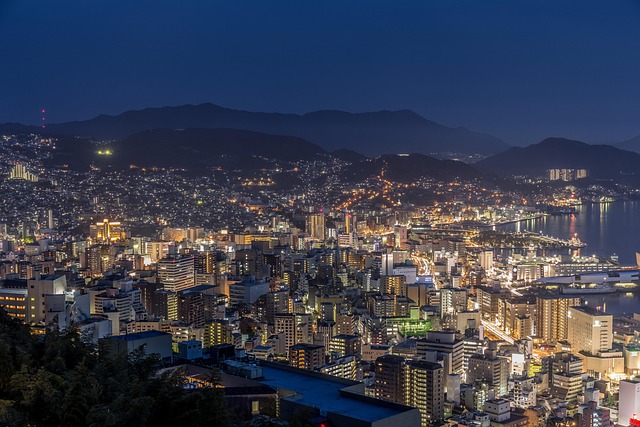
In western Japan, specifically when visiting Hiroshima and Fukuoka, utilize the “Mid-Trip Buffer.” Fukuoka is often treated as a mere transit point, but its compact nature and coastal breeze make it the perfect location for a mid-trip “slow down.” A day trip to Yanagawa for a “donko-bune” river boat cruise offers a shaded, water-cooled perspective that is far more refreshing than the concrete-heavy streets of central Osaka or Tokyo.
Furthermore, when visiting Mt. Fuji (Kawaguchiko), don’t just book a hotel; book a Ryokan with a private onsen. While hot springs in summer might seem counterintuitive, the traditional Japanese approach of a hot soak followed by a yukata and a fan is the most effective way to regulate body temperature and recover from “shinkansen fatigue.”
An Insider’s Perspective: The Art of the Long-Haul Itinerary
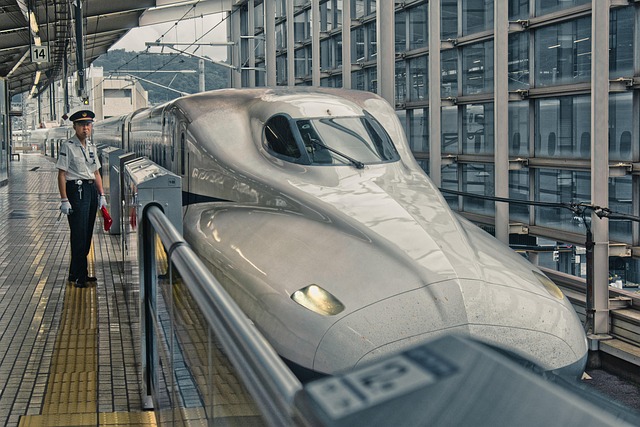
As an industry professional, I’ve seen thousands of itineraries, and the 22-day “Grand Tour” is the most rewarding—and the most difficult to execute perfectly. The secret to success lies in the rhythm of transitions. Most travelers rush their Shinkansen journeys, treating them as lost time. I recommend viewing these as “moving lounges.” Upgrading to the Green Car (First Class) is not just a luxury; in the summer, the extra space and superior climate control are vital for physical recovery between major cities.
Finally, remember that Japan is currently experiencing a “micro-season” cultural shift. While the “Golden Route” (Tokyo-Kyoto-Osaka) is essential, the real magic of a long trip is found in the outliers. Spending three days in Fukuoka or exploring the outskirts of Nara allows you to breathe in a way that the dense crowds of Shinjuku do not permit. Respect the heat, pace your movements, and treat your itinerary as a living document rather than a rigid contract. The goal is not to see everything, but to remember everything you see.
KEYWORDS: japan summer travel, kyoto gion matsuri, fukuoka cityscape
Photo: Pixabay / Pixabay License