AKIO NARIMATSU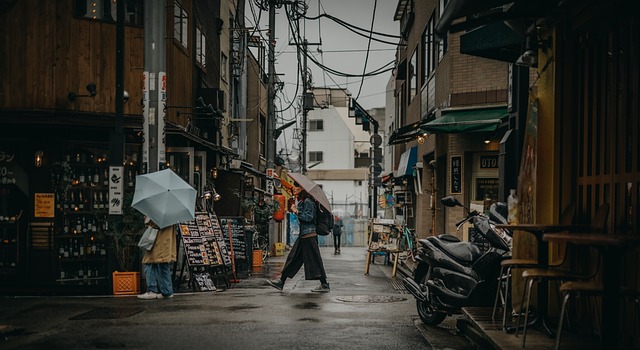
Essential Strategies for Your Next Japanese Adventure
- Master the “Rainy Season” Pivot: June marks the arrival of tsuyu (the plum rain). Always have a secondary “indoor” itinerary ready, focusing on museum districts like Ueno or the underground shopping labyrinths of Shinjuku and Osaka’s Umeda.
- Leverage Micro-Social Hubs: To break the ice in a culture that values privacy, seek out tachinomiya (standing bars). The physical proximity and casual atmosphere make these the most effective spots for spontaneous networking with both locals and fellow travelers.
- Optimize Your Connectivity: Beyond a standard pocket Wi-Fi, ensure you have a regional weather app like NERV. In June, weather patterns change hourly; hyper-local alerts are far more reliable than global weather services.
- The “Hand Towel” Protocol: Carry a small tenugui or washcloth. Public restrooms often lack hand dryers, and in the humid June heat, these are essential for staying presentable between meetings or sightseeing stops.
The Invisible Barrier: The Solo Traveler’s Paradox
While guidebooks are filled with glossy photos of the Fushimi Inari gates and the Shibuya Crossing, they consistently fail to mention the “Social Silo” effect. Japan is one of the safest and most efficient countries for solo travel, but it can also be one of the most isolating. The very culture that makes it peaceful—politeness, quietude, and a respect for personal space—can leave a traveler feeling like an invisible observer rather than a participant.
The frustration isn’t about finding the way to a temple; it’s the realization that after three days of perfect sightseeing, you haven’t had a meaningful conversation with another human being. This “shrine burnout” combined with social invisibility is the most common reason travelers cut their trips short or leave feeling underwhelmed despite the beauty of the landscape.
Field-Tested Workarounds for Global Explorers
The secret to cracking the social code in Japan, particularly during the transition into summer, lies in “Interest-First” navigation. Instead of visiting general tourist landmarks, seek out niche community hubs. For instance, if you are a fan of analog music, the listening bars in Shimokitazawa offer a shared silence that ironically leads to easier introductions during record changes.
Another insider hack is the “Shared Table” strategy. In crowded cities like Tokyo and Kyoto, look for communal dining spaces or modern “Food Halls” (such as those in the Azabudai Hills or various department store basements). These environments bypass the traditional one-person-per-booth layout of most Japanese eateries, naturally placing you in the path of other global nomads and social locals. Furthermore, participating in local “Meetup” culture through hobby-based groups—be it photography walks in Akihabara or running clubs around the Imperial Palace—removes the awkwardness of the “cold approach” and provides an instant peer group.
An Insider’s Perspective: The Shift Toward Connection Tourism
As someone who has navigated the evolution of Japan’s tourism industry for decades, I’ve observed a significant shift. We are moving away from “Checklist Tourism”—the frantic need to see every major landmark—and toward “Connection Tourism.” In a post-pandemic world, the value of a trip to Japan is no longer measured by the quality of your photos of the Golden Pavilion, but by the depth of the interactions you had in a hidden basement jazz club or a rain-slicked alleyway in Golden Gai.
The real Japan isn’t found in the silence of a museum, but in the lively, humid atmosphere of a shared izakaya table in June. My advice? Follow the rain. It forces people together under awnings, into cozy cafes, and toward the shared experience of navigating this beautiful, complex archipelago. Embrace the humidity and the occasional damp shoes; they are the price of entry for the most authentic social experiences Japan has to offer.
KEYWORDS: tokyo nightlife, solo travel, japanese izakaya
Photo: Pixabay / Pixabay License