AKIO NARIMATSU
Mastering the 14-Day Japan Odyssey: Beyond the Checklist
Planning a two-week journey through Japan is a rite of passage for the modern traveler. However, there is a vast difference between a trip that looks good on paper and one that actually breathes. To ensure your journey is more than just a blur of train platforms and temple gates, start with these essential tactical adjustments:
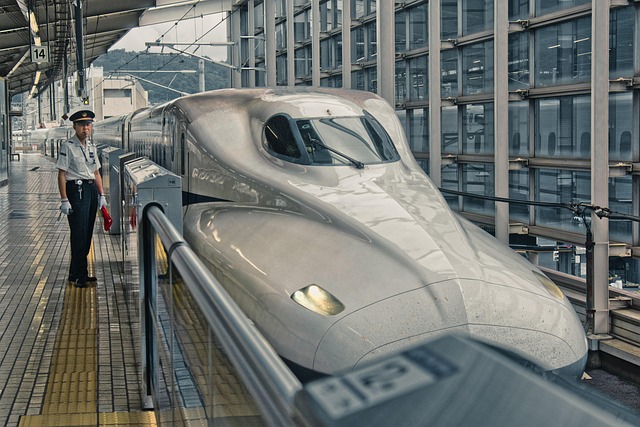
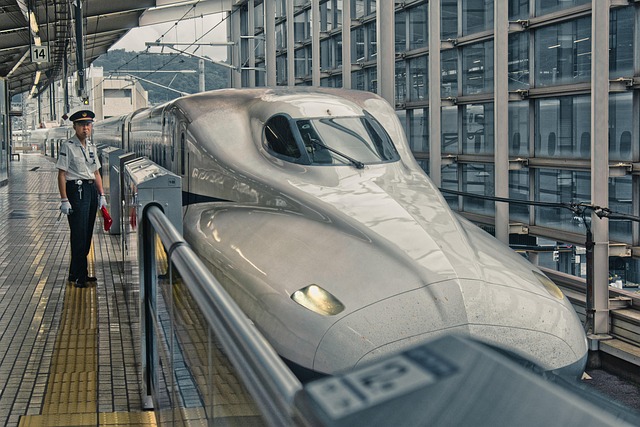
- Leverage the “Takkyubin” Advantage: Never haul heavy suitcases through Tokyo’s subway stations. Use luggage forwarding services to send your bags between hotels for a nominal fee, allowing you to travel light on the Shinkansen.
- Master the “Hub and Spoke” Strategy: Instead of switching hotels every two nights, base yourself in Osaka to explore Kyoto, Nara, and Kobe. You will save hours in packing and check-in overhead.
- Pre-load Your Digital Transit Card: Add a Suica or Pasmo card to your smartphone’s digital wallet before you land. This eliminates the frustration of navigating ticket machines and ensures seamless transfers across all major cities.
- The 7:00 AM Rule: Popular sites like Fushimi Inari or the Arashiyama Bamboo Grove become congested by 9:00 AM. Arrive at sunrise to experience the spiritual stillness these locations were intended for.
The Invisible Trap: The “Guidebook Burnout”
The most significant challenge facing travelers today isn’t a lack of information—it’s an excess of optimization. Traditional guidebooks and standard itineraries often encourage a “greatest hits” approach that ignores the physical and mental toll of Japan’s density. Travelers frequently underestimate the “hidden mileage” of Japanese cities; a day in Tokyo often involves walking upwards of 20,000 steps and navigating multi-level transit hubs that feel like subterranean cities.
The real frustration arises when the itinerary becomes a chore list rather than a vacation. By day six, “Temple Fatigue” sets in, and the eleventh historic shrine begins to look identical to the first. This happens because most plans fail to account for the sensory or cognitive load of navigating a culture where even a simple convenience store transaction requires focused attention.
Field-Tested Solutions for the Modern Explorer
To combat the exhaustion of a high-intensity itinerary, experienced travelers utilize several “off-menu” hacks that prioritize quality over quantity. One of the most effective methods is the “One Major, Two Minor” rule: schedule only one “must-see” landmark per day, leaving the afternoon open for spontaneous exploration or neighborhood wandering.
Another insider secret involves the “Depachika” (department store basement food halls). Instead of stressing over dinner reservations every night—which can be notoriously difficult for non-Japanese speakers to secure—visit the basements of Isetan or Daimaru. Here, you will find Michelin-quality bento boxes, fresh sushi, and seasonal delicacies at a fraction of restaurant prices, perfect for a high-end “picnic” back at your hotel after a long day of sightseeing.
When it comes to the “Golden Route” (Tokyo-Kyoto-Osaka), consider reversing the flow or adding a “buffer day” in a rural location like Hakone or Lake Kawaguchi. This provides a necessary atmospheric reset between the neon intensity of Tokyo and the historical density of Kyoto.
The Insider’s Perspective: Embracing the “Ma”
From my years within the Japanese tourism industry, I have observed that the most successful trips are those that respect the Japanese concept of “Ma”—the pure, essential space between things. In an itinerary, “Ma” is the afternoon you spend sitting in a kissaten (traditional coffee shop) watching the world go by, or the hour you spend wandering an unnamed residential alleyway in Yanaka.
Japan is a country of exquisite details that are easily missed when you are rushing to catch the next express train. The true magic of the archipelago isn’t found in the crowded foreground of a famous landmark, but in the quiet transitions. Don’t just visit Japan to see it; visit to feel the rhythm of its daily life. Your best memories won’t be of the landmark you queued two hours for, but the small, local izakaya where you shared a laugh with the chef over a plate of yakitori.
KEYWORDS: Japan travel itinerary, Tokyo street, Kyoto temple heritage
Photo: Pixabay / Pixabay License