AKIO NARIMATSU
- Master the Art of Hands-Free Travel: Utilize “Takkyubin” luggage forwarding services to send your heavy suitcases between Tokyo and Kyoto. For roughly $15–$20 per bag, you can skip the struggle of navigating crowded Shinkansen platforms with oversized luggage.
- Digital Transit integration: Before you land, add a Suica or Pasmo card to your smartphone’s digital wallet. This allows for instant “tap-and-go” entry at train stations and easy payments at thousands of vending machines and convenience stores without fumbling for yen.
- The 7:00 AM Rule: To experience the true atmosphere of flagship sites like Fushimi Inari or the Arashiyama Bamboo Grove, you must arrive by 7:00 AM. By 9:30 AM, these locations transition from spiritual landmarks to high-traffic tourist hubs.
- Strategic Dining: Use the “Depachika” (department store basement food halls) for high-end gourmet meals at a fraction of restaurant prices, especially after 7:00 PM when fresh bento boxes are heavily discounted.
The “Real” Problem: The 14-Day Itinerary Paradox
Most travelers planning a two-week journey through Japan fall into the same trap: The Checklist Delusion. Traditional guidebooks and glossy brochures present Japan as a series of highlights to be “collected”—Tokyo’s neon, Kyoto’s temples, Osaka’s street food. This creates a high-pressure environment where travelers spend more time on transit platforms and checking their watches than actually experiencing the culture.
The genuine frustration isn’t a lack of things to see; it is the physical and mental exhaustion that sets in by Day 8. When every day is packed with “Must-Sees,” the distinct beauty of each prefecture begins to blur into a singular, tiring haze of crowded trains and temple fatigue. The problem isn’t the destination; it’s the refusal to account for the “travel” part of traveling.
Field-Tested Workarounds: The “Hub and Spoke” Strategy
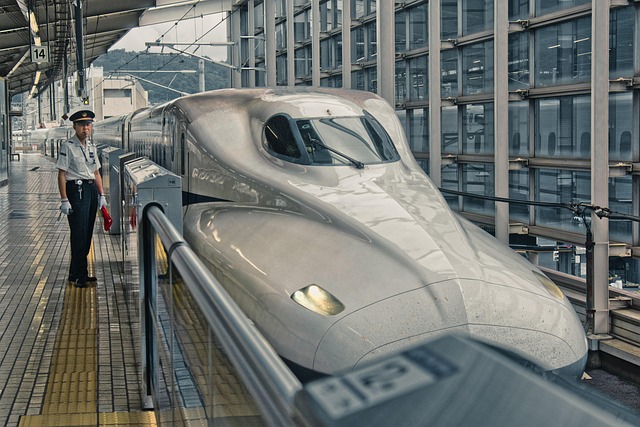
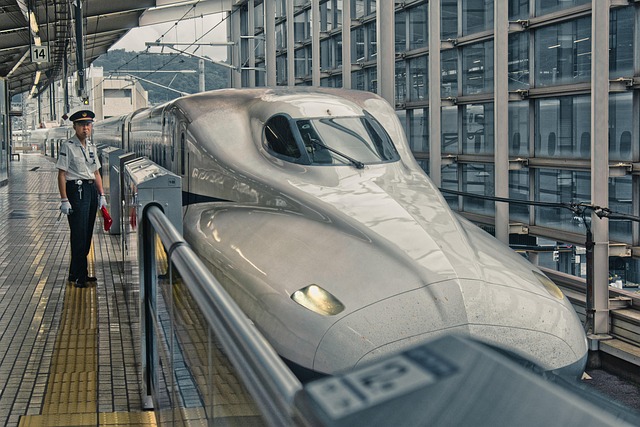
Experienced travelers avoid the “hotel-hopping” nightmare by utilizing a Hub and Spoke model. Instead of staying in five different cities, choose two primary bases—typically Tokyo and Kyoto—and use the Shinkansen for day trips. This allows you to unpack once and maintain a consistent “home base” while exploring surrounding gems like Nara, Uji, or Kamakura.
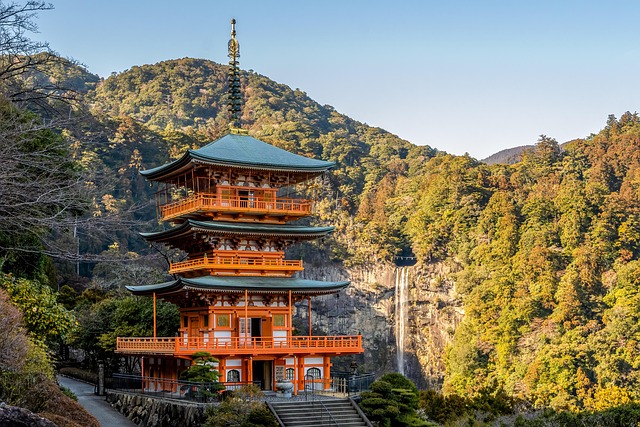
Another insider hack for the October traveler is the “Reverse Commute” to foliage. While everyone flocks to central Kyoto for the changing leaves, savvy visitors head to northern Kyoto or the mountainous outskirts of Tokyo (like Mitake-san) where the colors turn earlier and the crowds are significantly thinner. Additionally, always build in a “zero day” in the middle of your trip—a day with no planned sightseeing—to allow for spontaneous discovery in local neighborhoods like Shimokitazawa or Nakano.
An Insider’s Perspective: Embracing the “Ma” of Travel
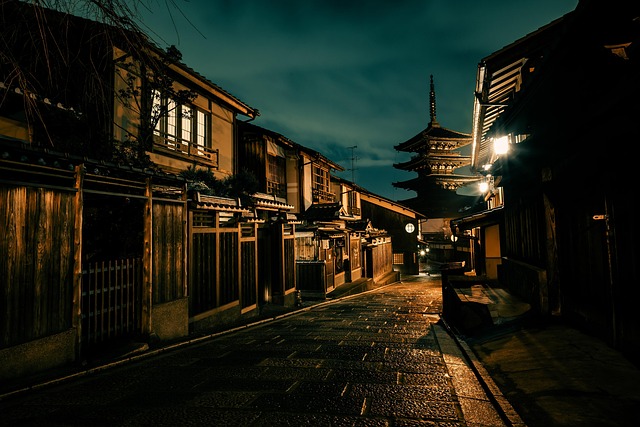
In Japanese aesthetics, there is a concept called “Ma”—the beauty in the empty space. As an industry insider, I see too many itineraries that lack this essential element. A perfect 14-day trip to Japan shouldn’t be a marathon; it should be a curated series of moments. The most profound memories rarely happen while staring at the Golden Pavilion through a sea of smartphones; they happen when you are lost in a quiet side street in Kanazawa or sharing a conversation with a local chef at a hidden 12-seat izakaya.
October is perhaps the most glorious time to visit, but it requires flexibility. The weather is mild, but the “peak” of autumn colors is unpredictable. Rather than chasing a specific photo of a red maple leaf you saw online, focus on the seasonal transitions. Transition your mindset from “seeing Japan” to “being in Japan.” If you find a park that feels right, stay there for three hours. The temples will still be there tomorrow, but that specific moment of serenity is what you actually traveled thousands of miles to find.
KEYWORDS: japan autumn foliage, kyoto temple, shinkansen train station
Photo: Pixabay / Pixabay License