AKIO NARIMATSU
- Rent a vehicle for Central Kyushu: While Japan is famous for its trains, the Aso and Kurokawa Onsen regions are best explored by car to avoid rigid bus schedules and limited connectivity.
- Pack for mountain microclimates: February in Kyushu is deceptive; coastal Fukuoka may be mild, but the high altitudes of Mt. Aso often see sub-zero temperatures and snow.
- Secure Ryokan bookings six months out: High-end inns in Kurokawa Onsen are boutique and intimate, meaning they reach capacity long before standard city hotels.
- Prioritize the “Open-Air” experience: If visiting Beppu, skip the tourist-heavy “Hells” circuits in favor of a private rotenburo (outdoor bath) with views of the rising steam across the valley.
The Invisible Wall: Why Guidebooks Fail the Kyushu Traveler
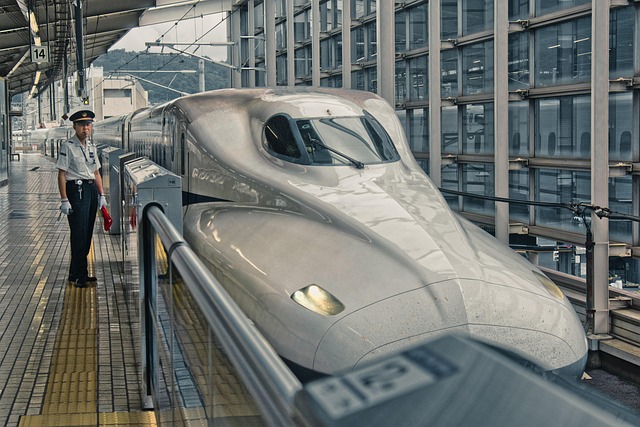
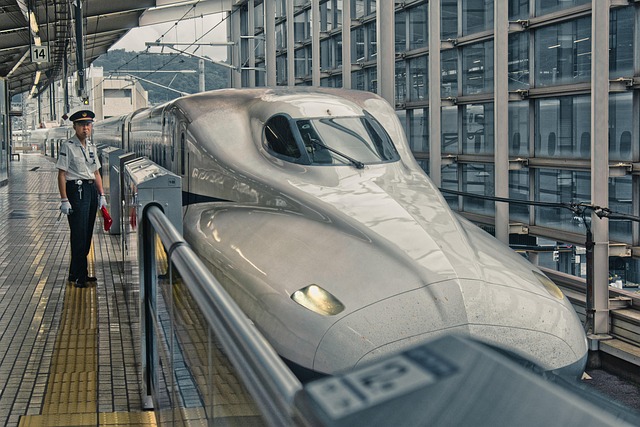
The most significant frustration travelers face when planning a trip to Kyushu is the “Infrastructure Illusion.” Most guidebooks treat Japan as a monolith of hyper-efficient rail travel. While this holds true for the Shinkansen corridor between Fukuoka and Kagoshima, the heart of the island—the rugged, volcanic center—operates on a completely different rhythm. Travelers often find themselves stranded at remote bus stops or realizing too late that the “scenic route” they planned involves three transfers and a four-hour wait in the cold.
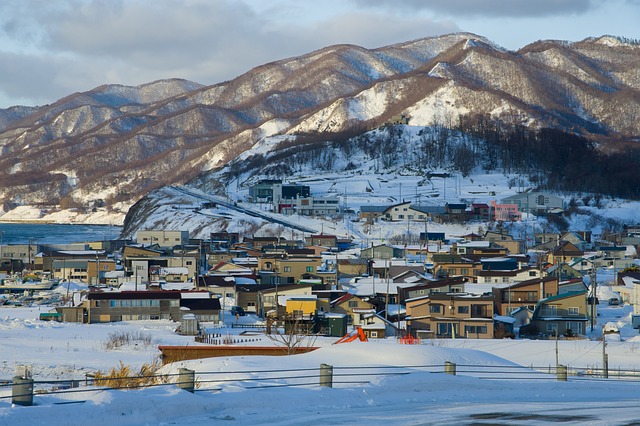
Furthermore, February presents a unique psychological hurdle. Many visitors expect the southern islands to offer a reprieve from the winter chill. In reality, the wind off the Ariake Sea and the elevation of the Kuju Mountains create a biting cold that can derail an itinerary if you aren’t prepared for the logistics of winter mountain driving and the seasonal closures of certain hiking trails.
Field-Tested Strategies for a February Circuit
Mastering the Aso-Kurokawa Corridor
If your itinerary includes the volcanic landscapes of Mt. Aso or the secluded hot spring village of Kurokawa Onsen, you must pivot away from rail-only passes. The true magic of this region lies in the hidden viewpoints and local eateries tucked away along the Milk Road. Relying on the limited bus service between Kumamoto and Kurokawa creates a “commuter stress” that contradicts the relaxation of an onsen retreat. Instead, pick up a rental car in Kumamoto or Hita. This grants you the agency to chase the light for photography at Daigahana or pivot your plans if a sudden dusting of snow makes a specific pass inaccessible.
The “Two-Hub” Philosophy
Avoid the temptation to move hotels every night. Kyushu rewards the patient traveler. Use Fukuoka as your northern hub for day trips to Dazaifu and the canal town of Yanagawa, then transition to a secondary base in Central Kyushu. This reduces the fatigue of constant check-ins and allows you to experience the local yatai (food stall) culture in Fukuoka without the pressure of catching the last train to another city.
The Beppu vs. Yufuin Decision
Many travelers struggle to choose between Beppu and Yufuin. The insider solution? Use them for different purposes. Visit Beppu for the raw, industrial power of its geothermal activity—the “Hells” are a visual spectacle—but retreat to Yufuin or Kurokawa for your overnight stay. Yufuin offers a more curated, aesthetic boutique experience, while Kurokawa provides an immersive, traditional atmosphere that feels centuries removed from the neon of Tokyo.
The Insider’s Edge: Why Kyushu is Japan’s New Frontier
From an industry perspective, we are seeing a massive shift in how high-end travelers approach Japan. The “Golden Route” (Tokyo-Kyoto-Osaka) is increasingly saturated. Kyushu represents the “New Luxury”—one defined by space, silence, and authenticity. In February, while the rest of the world is crowding into ski resorts, Kyushu offers a contemplative, misty beauty that is unmatched.
The real secret to a successful Kyushu-Tokyo split is understanding the “Sensory Transition.” Start in Kyushu to decompress and connect with Japan’s geological roots. By the time you reach the verticality and neon of Tokyo for your final days, you will have a baseline of tranquility that allows you to enjoy the city’s chaos without being overwhelmed by it. Do not view Kyushu as a side trip; view it as the soul of your journey, with Tokyo serving as the high-energy encore.