AKIO NARIMATSU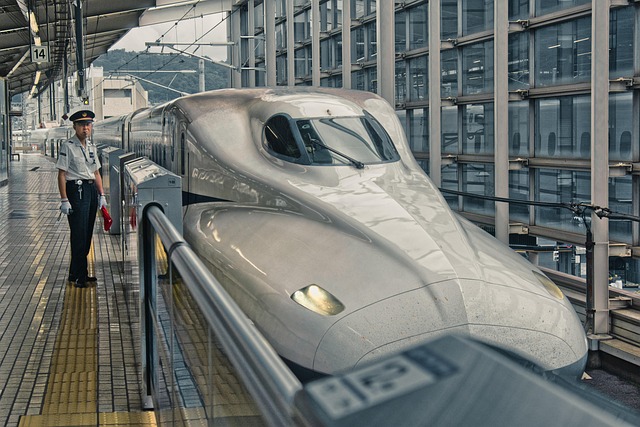
Mastering the 15-Day Japan Odyssey: Beyond the Golden Route Checklist
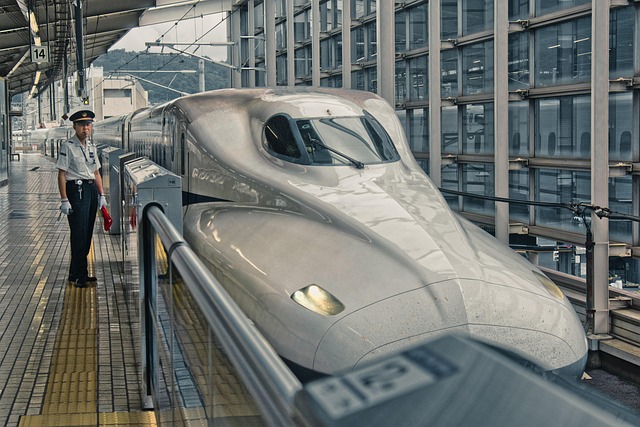
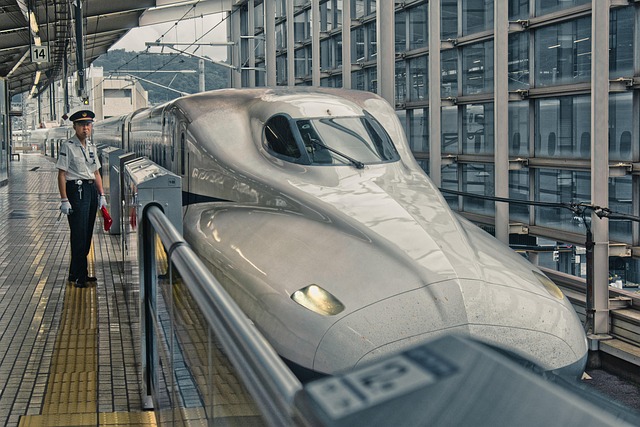
- Leverage the “Hands-Free Travel” System: Use Takkyubin (luggage forwarding) to ship your suitcases between cities. Traveling on the Shinkansen without heavy bags isn’t just a luxury; it’s a strategic necessity for navigating crowded stations.
- Digital IC Cards are Non-Negotiable: Add a Suica or Pasmo card to your smartphone’s digital wallet before you leave home. This eliminates the need to fumble with ticket machines and works seamlessly for transit, vending machines, and convenience stores.
- The “Hub and Spoke” Strategy: Instead of switching hotels every two days, book a longer stay in a central hub like Osaka. Most of the Kansai region—including Kyoto, Nara, and Kobe—is accessible within 30 to 60 minutes, saving you hours of packing and unpacking.
- Reserve Shinkansen Seats for “Oversized Baggage”: If you must carry large suitcases, you are now required to book specific seats at the back of the car. Use the SmartEX app to secure these spots days in advance to avoid fines or being denied boarding.
The “Real” Problem: The High-Speed Burnout
The most significant frustration travelers face isn’t a language barrier or navigating the Tokyo subway; it is the “checklist fatigue” induced by traditional guidebooks. Most itineraries suggest a frantic pace that treats Japan like a museum to be sprinted through. Guidebooks often fail to mention that “seeing” Kyoto in two days involves battling millions of other tourists and spending more time on city buses than inside temples. Travelers often return home feeling they have seen many landmarks but experienced very little of the actual culture. The genuine struggle is the logistical friction of constant transit—checking in and out of hotels, finding lockers, and the mental load of a rigid schedule that leaves no room for the serendipity that makes Japan magical.
Field-Tested Solutions for the Modern Traveler
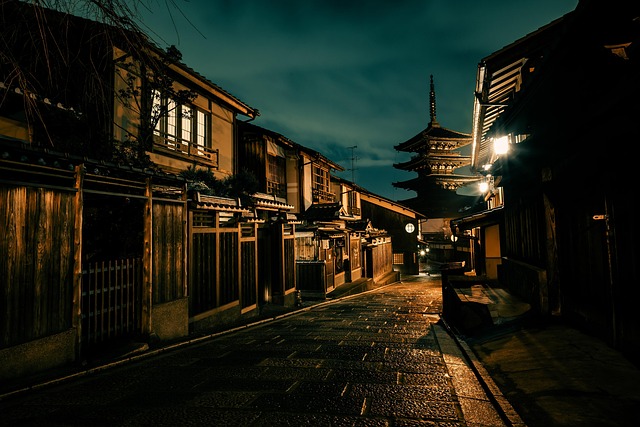
Experienced travelers have moved away from the “One Day, One City” model in favor of geographic clustering. For example, rather than staying in the expensive, crowded heart of Kyoto, savvy visitors are choosing hotels near Shin-Osaka Station. This allows for late-night dining in Osaka’s vibrant Dotonbori district while remaining a mere 15-minute Shinkansen ride from Kyoto’s historical sites the next morning.
Another insider workaround involves the “Early Bird, Late Night” protocol for major attractions. To truly experience Fushimi Inari or the Arashiyama Bamboo Grove, you must arrive before 7:30 AM. Conversely, viewing the Tokyo skyline is best done after 9:00 PM at the Shibuya Sky or Tokyo Metropolitan Government Building to avoid the peak sunset queues. Additionally, skip the over-hyped “theme” cafes and look for depachika (department store basement food halls) for world-class meals that require zero reservations and offer a far more authentic glimpse into Japanese culinary excellence.
The Insider Perspective: Embracing the Concept of “Ma”
In Japanese aesthetics, there is a concept called Ma—the beauty of the empty space between objects. Most travelers pack their 15-day itineraries so tightly that they leave no Ma. As an industry insider, I have seen that the most successful trips are those where the traveler intentionally leaves one full day every week completely unscripted. This is not “wasted time.” This is the time you spend discovering a hidden neighborhood shrine, a residential jazz kissa, or a local craft shop that no guidebook could ever list.
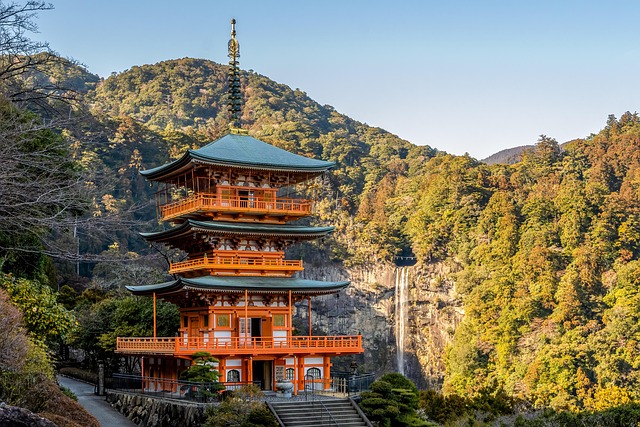
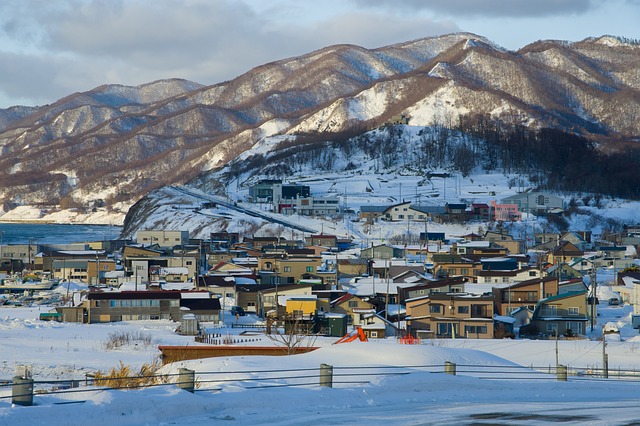
Furthermore, don’t be afraid to pivot away from the Golden Route. While Tokyo and Kyoto are essential, adding a three-day leg to the Seto Inland Sea or the mountains of Kanazawa provides a much-needed breath of air away from the urban density. The secret to a professional-grade Japan itinerary isn’t seeing the most things; it’s ensuring that the things you do see have the space to leave a lasting impression.
KEYWORDS: japan luxury travel, shinkansen train, kyoto temple garden
Photo: Pixabay / Pixabay License