AKIO NARIMATSU
Essential Strategies for Your Japan Expedition
- Leverage Luggage Forwarding (Takkyubin): Never haul heavy suitcases through crowded train stations. Use airport or hotel-to-hotel forwarding services to have your bags waiting at your next destination for a nominal fee.
- Digitize Your Transit: Add a Suica or Pasmo card directly to your smartphone’s digital wallet. This eliminates the need to fumble with physical tickets or cash at vending machines.
- The “Base City” Approach: Instead of switching hotels between Kyoto and Osaka, pick one as your home base for the Kansai region. They are only 30 minutes apart by train, saving you hours of packing and checking in.
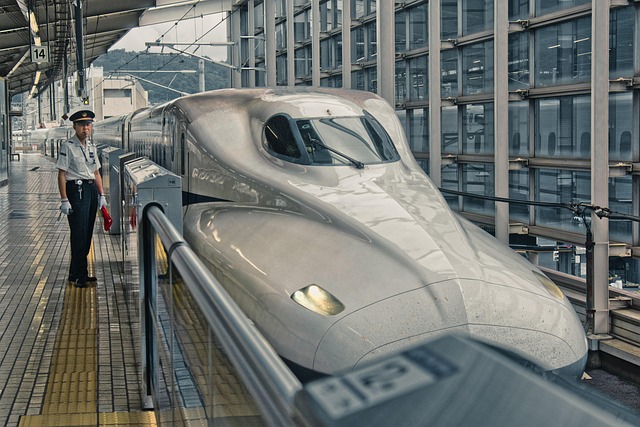
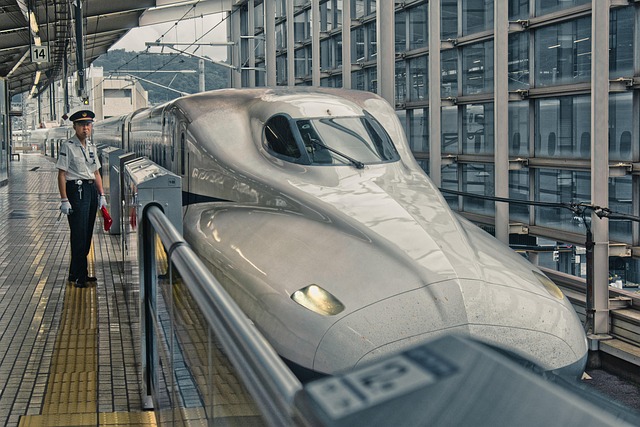
- Reserve Shinkansen Seats on the Right: When traveling from Tokyo to Kyoto, book seats on the “E” side (right side) of the train for the best chance to glimpse Mount Fuji in clear weather.
The Checklist Trap: The Frustration Guidebooks Ignore
There is a recurring phenomenon in Japan travel that most glossy brochures fail to mention: itinerary exhaustion. Travelers often approach the “Golden Route”—Tokyo, Kyoto, and Osaka—as a grocery list to be checked off in rapid succession. The genuine frustration arises on day four, when the realization hits that you have spent more time navigating complex subway labyrinths and staring at Google Maps than actually experiencing the culture.
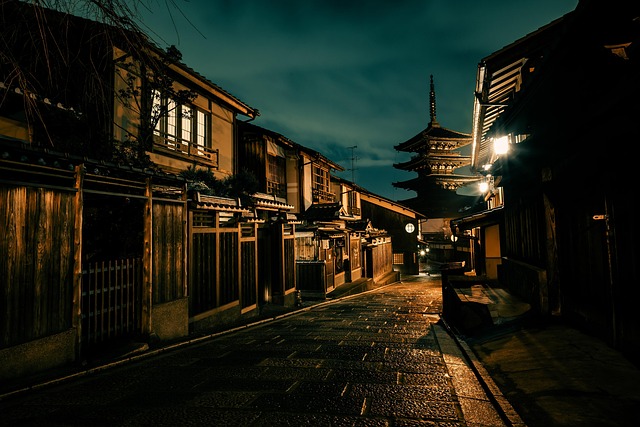
Guidebooks suggest you can “do” Kyoto in 48 hours, but they don’t account for the physical toll of walking ten miles a day on stone paths or the mental fatigue of navigating the world’s most sophisticated, yet overwhelming, transit systems. The result is a vacation that feels like a commute, where the beauty of a Zen garden is overshadowed by the stress of making the next train connection.
Field-Tested Solutions for the Modern Traveler
The Kansai Pivot
The most effective workaround for a short 8-day trip is to abandon the idea of staying overnight in every city. By staying in Osaka, you gain access to a vibrant culinary scene and better nightlife, while Kyoto and Nara remain easy day trips. This “hub and spoke” model preserves your energy and provides a consistent “home” environment, allowing you to actually unpack and relax.
The “Early Bird” Nara Protocol
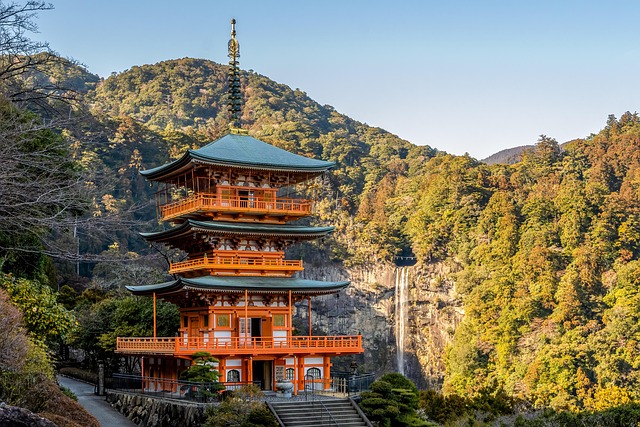
To truly experience the magic of Nara without the suffocating crowds, you must arrive before 8:00 AM. While guidebooks focus on the Todai-ji Temple, the secret is to wander the primeval forests of Kasuga Taisha at dawn. By the time the tour buses arrive at 10:30 AM, you should already be heading back toward a quieter neighborhood in Kyoto or Osaka for lunch, effectively “inverse-tracking” the tourist flow.
Tokyo’s Neighborhood Curation
Stop trying to see “Tokyo.” It is not a city; it is a collection of eighty small towns connected by rail. Elite travelers pick two or three “anchor” neighborhoods (like Yanaka for history or Daikanyama for modern design) and ignore the rest. Trying to see Shinjuku, Shibuya, Ginza, and Asakusa in one day is a recipe for burnout.
The Insider’s Perspective: Quality Over Latitude
As someone who has spent years analyzing travel patterns across the archipelago, I can tell you that the most successful trips are those that leave something for next time. The temptation to cram Nara, Osaka, and Kyoto into a three-day window is high, but it often robs those locations of their soul. In Japan, the “empty spaces”—the quiet moments in a residential alleyway or a slow meal at a standing-only tachinuya—are where the real memories are made.
If you have eight days, my professional advice is to resist the urge to see everything. Japan rewards the patient traveler. Choose depth over distance, and you’ll find that the best part of your trip wasn’t the monument you photographed, but the atmosphere you finally had the time to breathe in.
KEYWORDS: kyoto temple, shinkansen train, japan street food
Photo: Pixabay / Pixabay License