AKIO NARIMATSU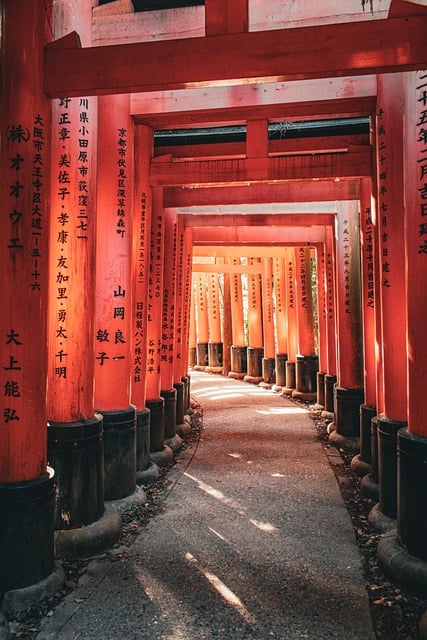
Mastering the Modern Japan Experience: Moving Beyond the Golden Route Fatigue
- The “Early Bird” Advantage: Arrive at flagship landmarks like Fushimi Inari or Senso-ji before 7:00 AM to experience the spiritual stillness that mass tourism typically obscures.
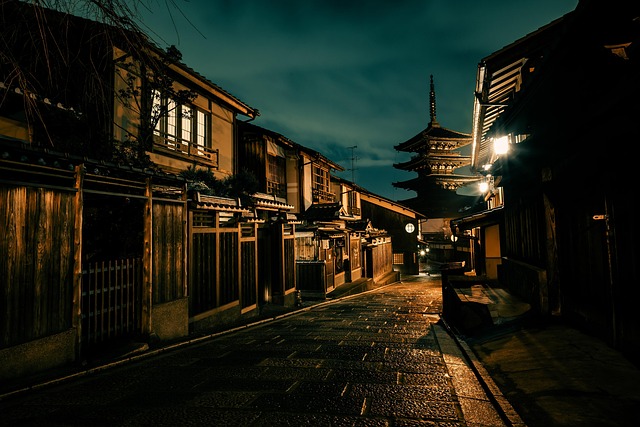
- Leverage the “Back-Street” Rule: For every crowded “must-see” street, there is a parallel alleyway two blocks over that offers identical architecture and authentic local life without the shoulder-to-shoulder foot traffic.
- Optimize Your Logistics: Utilize Takkyubin (luggage forwarding) religiously. Navigating major hubs like Shinjuku or Kyoto Station with suitcases is the primary cause of traveler burnout and physical exhaustion.
- Digital Dining Strategy: Use local search apps like Tabelog rather than global review sites to find high-quality dining options tucked away on the upper floors of non-descript commercial buildings.
The Invisible Hurdle: The Paradox of High Density
The modern traveler often arrives in Japan with a curated vision of “Zen” tranquility juxtaposed against futuristic efficiency. However, the genuine frustration that many face—and which most glossy brochures omit—is the sheer physical and mental toll of density friction. Japan’s most famous sites are currently experiencing a surge in demand that the infrastructure, while world-class, struggles to absorb during peak hours. The “real” problem isn’t the destination itself; it is the exhaustion that stems from constant micro-decisions, navigating human currents, and the disappointment of finding a serene temple transformed into a congested backdrop for social media content.
Field-Tested Strategies for a Refined Itinerary
To reclaim the magic of the archipelago, sophisticated travelers are shifting their tactical approach. One of the most effective workarounds is the “Reverse-Commute” method. Instead of staying in the hyper-centers of Shinjuku or Gion, choose luxury boutique accommodations or high-end business hotels three to four stops away on a local line. You will find that the morning commute against the flow of traffic provides a much-needed psychological buffer.
Furthermore, reconsider the traditional “Golden Route” hierarchy. If the crowds at Nishiki Market become overwhelming, pivot to the basement food halls (depachika) of major department stores like Isetan or Takashimaya. These offer a higher caliber of culinary craftsmanship with professional service and climate-controlled comfort. When it comes to sightseeing, the secret lies in “The Second City” strategy: swapping over-saturated landmarks for their lesser-known equivalents, such as visiting Kanazawa for its Edo-period districts instead of the most crowded corners of Kyoto.
The Insider’s Perspective: From Sightseeing to Presence
As an industry professional, I have observed a significant shift in how Japan must be navigated in the post-reopening era. The era of “ticking boxes” on a list of famous landmarks is effectively over for anyone seeking a premium experience. The true luxury of Japan today is not found at the top of a skyscraper or in the middle of a famous crossing; it is found in margin.
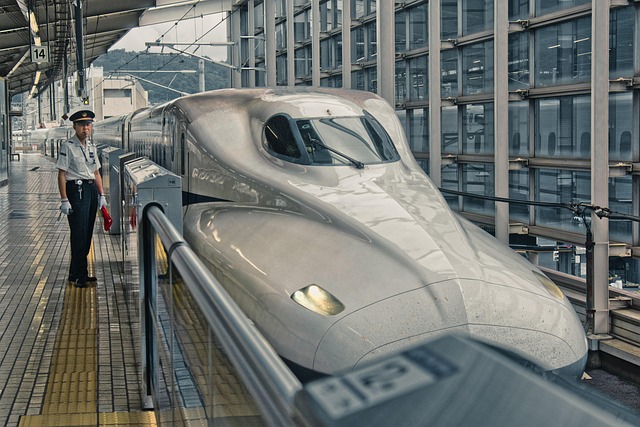
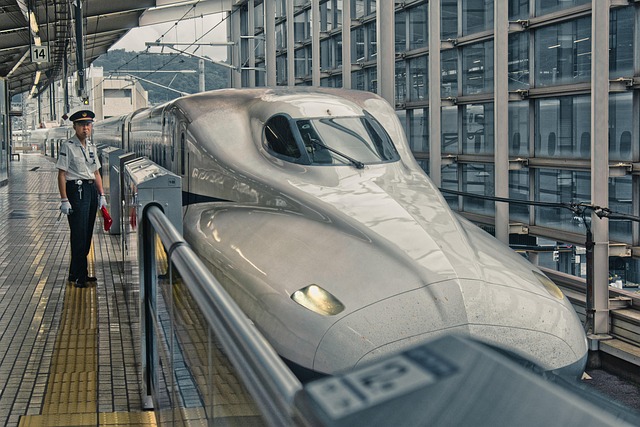
The most satisfied travelers are those who build “blank space” into their itineraries. Japan is a country of exquisite details—the way a moss garden is manicured, the precision of a train conductor’s movements, the seasonal flavor of a single wagashi sweet. You cannot appreciate these nuances while rushing to catch a Shinkansen to the next crowded city. My ultimate advice? Reduce your destination count by thirty percent. By doing less, you allow the legendary hospitality (omotenashi) and the quiet beauty of the country to actually reach you, rather than just passing you by in a blur of crowds and transit cards.
KEYWORDS: Kyoto street, crowded temple, Japan travel tips
Photo: Pixabay / Pixabay License