AKIO NARIMATSU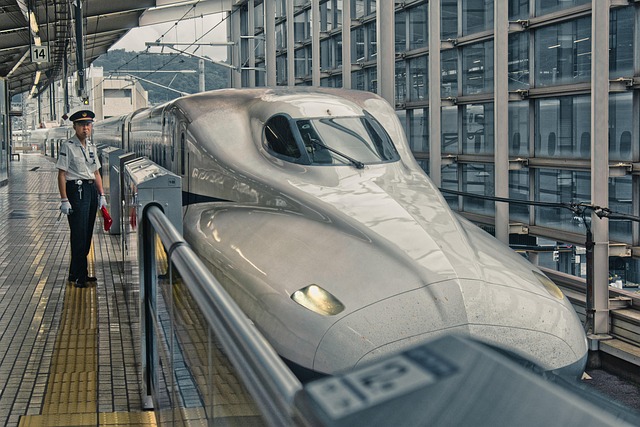
Quick Wins for Your Next Japanese Autumn Expedition
- Master the “Forwarding” Flow: Avoid the physical strain of hauling suitcases through crowded stations by using Takkyubin (luggage forwarding). Send your bags from your Tokyo hotel directly to your next destination for less than the price of a mid-range lunch.
- Digital Transit Dominance: Stop fumbling with physical IC cards. Add a Suica or Pasmo directly to your smartphone’s digital wallet to breeze through turnstiles and pay at vending machines without ever touching a ticket machine.
- The “Off-Peak” Morning Strategy: For popular foliage spots like Kyoto’s Arashiyama or Tokyo’s Meiji Jingu, arrive no later than 7:30 AM. You will experience the “golden hour” of photography and tranquility before the tour buses arrive at 10:00 AM.
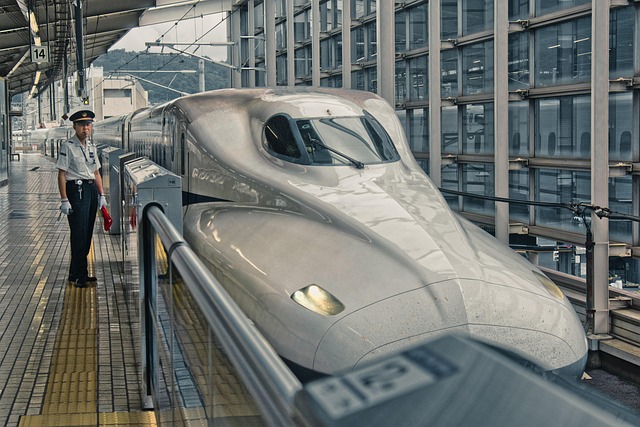
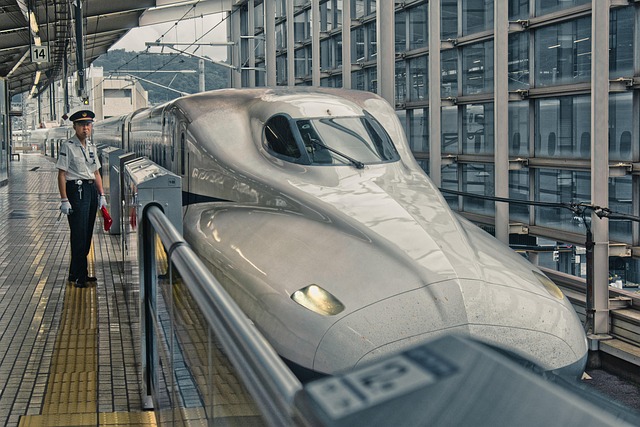
- Smart Shinkansen Seating: When traveling from Tokyo toward Osaka/Kyoto, always book “Seat E” in standard cars (or “Seat D” in Green Cars) to secure a front-row view of Mount Fuji as you speed past Shizuoka.
The “Second Trip” Trap: The Frustration Guidebooks Ignore
There is a specific kind of exhaustion that hits travelers on their second or third visit to Japan, one that glossy brochures never mention: Iterative Overload. On your first trip, everything is a marvel. On your second, you often find yourself caught between the desire to revisit “your” Japan and the pressure to see the “new” Japan. This leads to itineraries that are logistically impossible, packed with three-hour train rides every other day in a desperate attempt to cover more ground.
The genuine frustration isn’t finding things to do; it’s the paralyzing realization that Japan’s density makes it impossible to “finish.” Guidebooks tell you where to go, but they fail to explain that the magic of Japan is often found in the spaces between the landmarks. When you rush from a temple in Kyoto to a museum in Kanazawa in the same afternoon, you lose the ability to notice the subtle shift in seasonal wagashi (sweets) or the specific scent of incense that defines a neighborhood.
Field-Tested Strategies for a Frictionless November
Embrace the “Hub-and-Spoke” Model
Instead of changing hotels every two nights, choose a strategic base. For an autumn itinerary, staying in Umeda (Osaka) allows you to access Kyoto, Nara, Kobe, and even Himeji within 30 to 60 minutes, all while keeping your luggage in one place. This significantly reduces “check-out fatigue” and allows you to pivot your plans based on daily weather or peak foliage reports.
The After-Dark Advantage
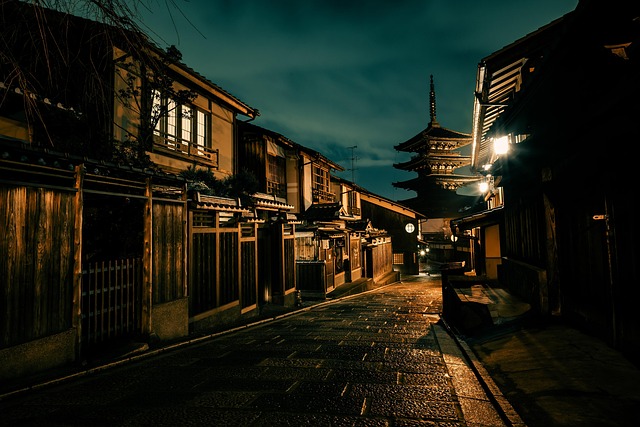
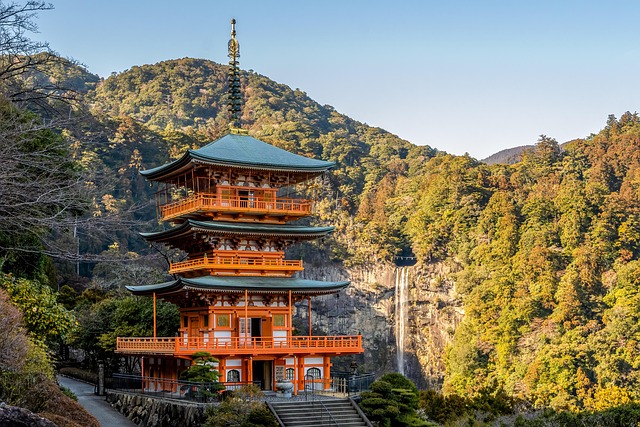
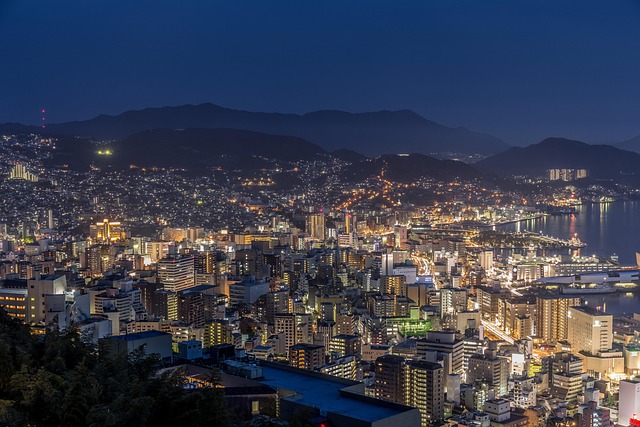
November in Japan is spectacular because of Koyo (autumn leaves), but the daytime crowds at famous gardens can be suffocating. The pro workaround is to seek out Light-up Events (Illuminations). Many temples and gardens, such as Kiyomizu-dera or Rikugien, reopen after sunset with dramatic lighting. The atmosphere is entirely different, the crowds are often more managed, and it effectively doubles your sightseeing hours.
Hyper-Local Dining Without the Queues
Rather than chasing Michelin-starred spots that require six-month-ahead bookings, look for depachika (department store food halls) in the basements of Isetan or Daimaru. For a sophisticated dinner, explore the upper floors of major station buildings. These “restaurant floors” house outposts of legendary local eateries, offering the same high-quality seasonal ingredients without the logistical nightmare of navigating back-alley reservations.
An Insider’s Perspective: The 2026 Shift
As we look toward 2026, the landscape of Japanese tourism is shifting from “mass-access” to “intentionality.” The savvy traveler is moving away from the “Golden Route” (Tokyo-Kyoto-Osaka) and toward deeper regional immersion. However, if you are returning to the classics, the key is temporal luxury—the luxury of doing less, but better.
In my years observing the ebb and flow of inbound travel, the most successful itineraries are those that treat the city as a living room rather than a museum. Don’t just visit a park; buy a seasonal roasted sweet potato from a street vendor and sit there for an hour. The true “insider” secret isn’t a hidden temple—it’s the willingness to let the itinerary breathe. November’s crisp air and crimson maples are best enjoyed when you aren’t checking your watch for the next Shinkansen departure.
KEYWORDS: japan autumn foliage, kyoto temple, bullet train view
Photo: Pixabay / Pixabay License