AKIO NARIMATSU
Essential Tips for a Seamless Japan Journey
- Master the “Takkyubin” Logic: Never carry large suitcases on the Shinkansen or the winding trains to Koyasan. Use a luggage forwarding service to send your main bags from Tokyo directly to Kyoto or Kanazawa, carrying only a small overnight pack for your temple stay.
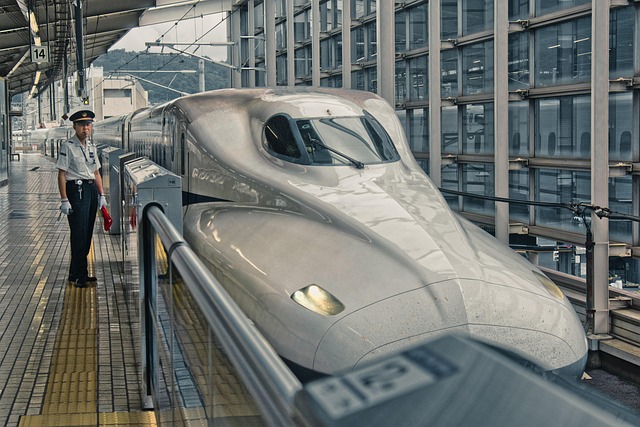
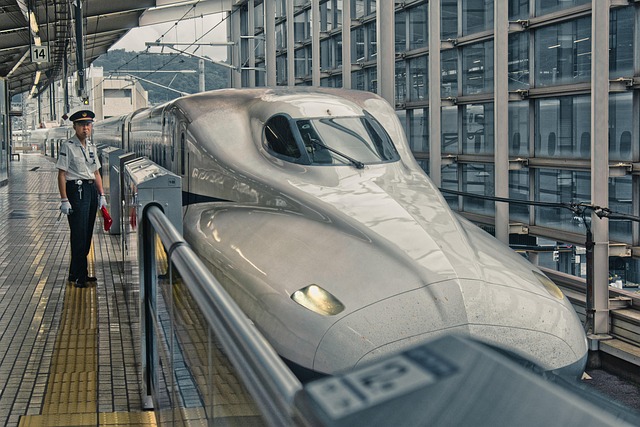
- The Hokuriku Shortcut: When connecting Kanazawa to the Kansai region (Kyoto/Osaka), leverage the Thunderbird Limited Express. It is one of the most efficient and scenic coastal runs in the country, but seats sell out during peak morning hours—reserve them three days in advance.
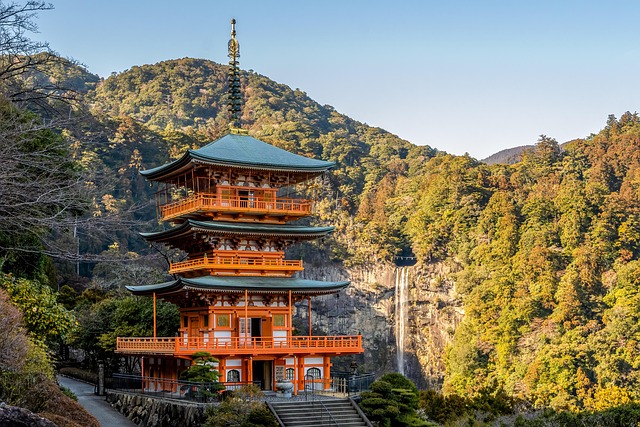
- The Koyasan Commitment: Do not attempt Koyasan as a day trip from Kyoto. To truly experience the “Atmosphere of the Gods,” you must book a shukubo (temple lodging) and stay for the morning fire ceremony (Goma).
- Strategic Dining in Kanazawa: While the Omicho Market is famous, the best seafood values are found in the small izakayas near the Kazuemachi Geisha District after 7:00 PM, once the day-trippers have departed for the Shinkansen.
The “Transit Trap”: What Guidebooks Won’t Tell You
The most significant frustration modern travelers face in Japan isn’t the language barrier or the cultural etiquette; it is the logistical friction of the “Perfect Itinerary.” Guidebooks present a map of Japan as a series of dots—Tokyo, Kyoto, Kanazawa—implying that jumping between them is as simple as a subway ride. In reality, connecting a spiritual retreat in the mountains of Wakayama (Koyasan) with the samurai history of the Hokuriku coast (Kanazawa) requires navigating three different railway companies and varying elevation levels.
The “real” problem is Temple Fatigue. By day eight of a standard Golden Route itinerary, many travelers find themselves looking at world-class Zen gardens and feeling… nothing. This emotional burnout happens because the logistical stress of moving every 48 hours overrides the ability to appreciate the stillness these sites were designed to provide.
Field-Tested Solutions for the Sophisticated Traveler
The “Kanazawa Pivot”
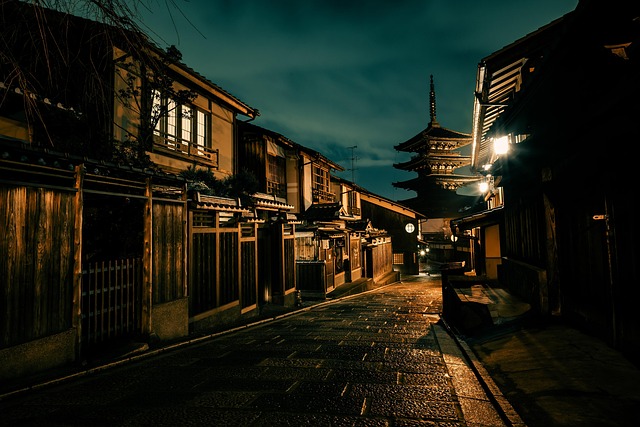
Many travelers treat Kanazawa as a secondary Kyoto. The professional workaround is to treat it as your primary cultural hub. Because Kanazawa was spared from WWII bombing, its Higashi Chaya district feels more authentic than many of Kyoto’s restored areas. If your schedule feels cramped, trim a day from Kyoto and add it to Kanazawa. You will find shorter lines, more accessible craft workshops, and the Kenroku-en Garden, which arguably surpasses any park in the capital.
Decoding the Koyasan Connection
Getting to Mount Koya is a pilgrimage in itself. The secret to avoiding a stressful transfer is to use the Nankai Railway’s “Koyasan World Heritage Ticket.” It streamlines the train, cable car, and bus connections into one digital or paper pass. More importantly, plan your arrival for no later than 3:30 PM. Temple dinners are served early and strictly; arriving late doesn’t just mean a missed meal—it means missing the rhythmic heart of the monastic experience.
The North-South Logic
To maximize efficiency, structure your route linearly. The most “frictionless” path for this specific circuit is Tokyo → Kanazawa (via Shinkansen) → Kyoto (via Thunderbird) → Koyasan (via Osaka). This avoids backtracking and allows you to use the high-speed Hokuriku line to its full advantage before slowing down for the spiritual leg of the trip.
The Insider’s Perspective: Why “Less” is the Ultimate Luxury
In the Japanese travel industry, we often see “The Checklist Syndrome.” Travelers try to bridge the hyper-modernity of Tokyo with the ancient silence of Koyasan in a single breath. My professional advice? Japan is best experienced in the transitions.
The true magic of the Tokyo-Kanazawa-Kyoto-Koyasan loop isn’t found in the monuments themselves, but in the changing landscape seen from a train window and the shift in air quality as you ascend the Nankai cable car. Do not over-schedule your afternoons. Leave a “white space” in your itinerary—an unplanned two-hour block in a Kanazawa tea house or a Kyoto side street. In a country defined by its meticulous order, the most profound memories are almost always the ones you didn’t plan for.
KEYWORDS: japan temple stay, kanazawa street, kyoto zen garden
Photo: Pixabay / Pixabay License