AKIO NARIMATSU
Planning a short stay in Kyoto often feels like a race against time, but the secret to mastering this city isn’t seeing more—it’s seeing smarter. To ensure your 2.5-day itinerary doesn’t turn into a logistical nightmare, implement these high-impact actions immediately:
- Ditch the “Bus-Only” Mentality: Bypass the notorious Kyoto City Bus gridlock by leveraging the Keihan and Hankyu railway lines for north-south and east-west transit.
- The “7 AM Rule”: To experience the spiritual gravity of Fushimi Inari or Arashiyama without the influencer crowds, you must be on-site by 7:00 AM.
- The “One Anchor” Strategy: Limit yourself to one “Major” site (like Kiyomizu-dera) per day, dedicating the rest of your time to the quiet, peripheral temples that offer the true Kyoto atmosphere.
- Utilize “Hands-Free” Logistics: Use same-day luggage delivery services (from Kyoto Station to your hotel) to reclaim the 2-3 hours usually wasted checking into accommodation.
The “Real” Problem: The Map is a Lie
The most significant hurdle travelers face isn’t a lack of information; it’s a lack of “spatial reality.” Most guidebooks present Kyoto’s “Big Three”—Arashiyama (West), Kinkaku-ji (North), and Fushimi Inari (South)—as if they are easily connected. In reality, Kyoto is a city of “bottlenecks.”
The “real” problem is Visual and Physical Saturation. By the third temple of the day, “Temple Fatigue” sets in. When you spend 90 minutes on a crowded, sweaty bus just to stand shoulder-to-shoulder with 5,000 other people at the Golden Pavilion, the spiritual essence of Japan evaporates. The exhaustion of navigating the crowds often outweighs the beauty of the destination itself.
The Professional’s Hidden Solutions: “Tactical Displacement”
To navigate Kyoto effectively, you need to use what I call “Tactical Displacement.” Instead of following the herd, use these “dirty” workarounds to stay ahead of the curve:
1. The Reverse-Commute Strategy: Most tourists head to Higashiyama (the East) in the morning. Instead, head to the lesser-known northern enclaves like Daitoku-ji or Enko-ji first. These offer the same stunning Zen gardens but with 10% of the foot traffic. Save the famous spots for the “Golden Hour” just before closing, when the tour buses have retreated to their hotels.
2. The “Taxi-Bridge” Maneuver: While Kyoto has great trains, the “last mile” to many temples is a grueling uphill walk or a packed bus ride. The pro move? Take a train to the nearest station, then take a 10-minute taxi to the temple gate. It costs about 1,000–1,500 yen but saves you an hour of energy and time—crucial for a 48-hour trip.
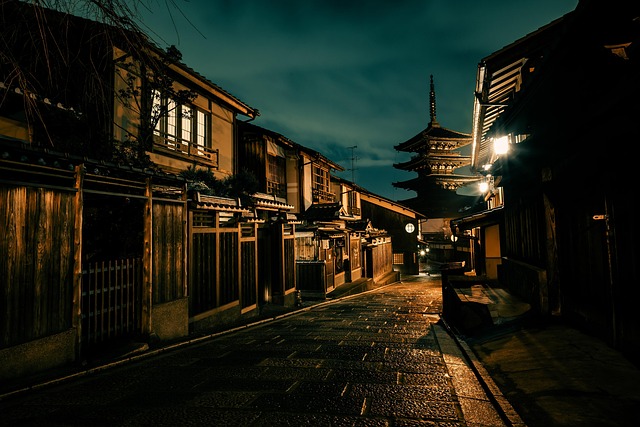
3. The Gion “Side-Step”: Everyone wants to see the Geisha district. Don’t walk the main Hanamikoji Street, which is now heavily restricted and claustrophobic. Instead, walk along the Shirakawa Canal at dusk or explore the narrow alleys of Miyagawacho. You get the atmosphere without the “tourist-trap” tension.
The Insider’s Perspective: Respecting the “Ma”
As a professional in the Japanese travel industry, I see thousands of itineraries that are “rich in sites but poor in soul.” In Japanese aesthetics, there is a concept called Ma (Ma)—the pure, essential space between objects.
The biggest mistake is filling every hour. Kyoto is best experienced in the “in-between” moments: the steam rising from a bowl of morning udon, the sound of a monk sweeping gravel, or the way the light hits a mossy stone in a neighborhood shrine you’ve never heard of.
If you are only there for 2.5 days, my professional advice is this: Choose your sacrifices. Do not try to see both the Golden Pavilion and Arashiyama in one day. You will end the day remembering only the crowds. Instead, choose one, and then spend your afternoon getting “lost” in the residential streets of Kamigyo-ku. The “real” Japan isn’t behind a red gate; it’s in the quiet dignity of the city’s daily rhythm.