AKIO NARIMATSU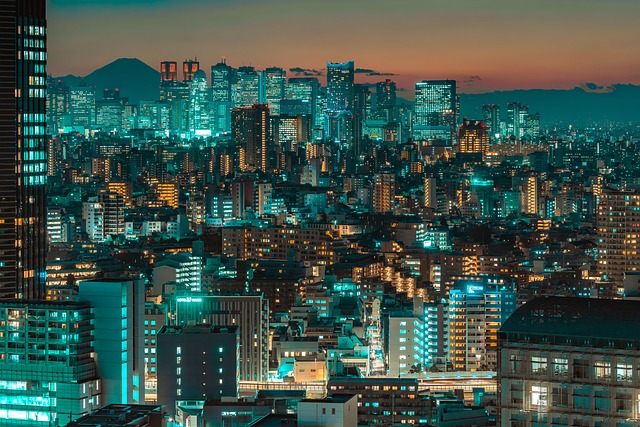
Essential Strategies for Your Next Japanese Expedition
- Leverage the “Kameoka Buffer”: Instead of staying in the congested heart of Kyoto, book a luxury ryokan in Kameoka. It is only 20 minutes from Kyoto Station by express train but offers a serene, rural atmosphere that authenticates your experience.
- Master Luggage Logistics: Never haul heavy suitcases through Shinjuku or Kyoto Station. Utilize Takkyubin (luggage forwarding services) to send your bags directly from your Tokyo hotel to your Kyoto destination for a nominal fee.
- Optimize the Hozugawa Approach: Coordinate the Sagano Scenic Railway with the Hozugawa River Boat ride. Booking these in advance allows you to enter the Arashiyama district via the river, bypassing the heavy pedestrian traffic at the main gates.
- Target “Off-Peak” Spiritual Sites: Visit major landmarks like Fushimi Inari or the Arashiyama Bamboo Grove at sunrise. By 9:00 AM, the atmosphere shifts from spiritual to commercial.
The Invisible Friction: What Guidebooks Forget to Mention
Most travel guides present Japan as a seamless transition between the neon lights of Tokyo and the zen gardens of Kyoto. They highlight the destinations but gloss over the cognitive load of the journey itself. The “real” problem modern travelers face isn’t finding a good restaurant; it is the sheer exhaustion of navigating Japan’s hyper-efficient but incredibly complex transit hubs with luggage in tow, and the inevitable “temple fatigue” that sets in when every serene site is packed shoulder-to-shoulder with tourists.
The frustration stems from a lack of “breathing room” in the itinerary. Travelers often pack their days with back-to-back shrines, failing to account for the physical toll of walking 20,000 steps a day on urban concrete. Without a strategic pause—a literal and metaphorical palate cleanser—the beauty of the Golden Route can quickly blur into a stressful blur of train schedules and crowded viewing platforms.
Field-Tested Workarounds for the Modern Explorer
To circumvent the standard tourist burnout, seasoned travelers have developed a series of sophisticated workarounds that prioritize the quality of presence over the quantity of sights. One of the most effective hacks is the “Inverse Arashiyama Entry.” Rather than fighting the crowds coming from central Kyoto, take the JR San-in Line to Kameoka first. Enjoy the rural landscapes, then take the traditional flat-bottomed boat down the Hozugawa River directly into Arashiyama. You arrive refreshed and from a vantage point most tourists never see.
In Tokyo, the secret to maintaining energy lies in “Micro-Neighborhood Focus.” Instead of trying to see Shibuya, Shinjuku, and Ginza in one day, dedicate a full day to a single district. For instance, start a Ginza morning with a visit to the high-end stationery stores, followed by an afternoon in the nearby Hamarikyu Gardens. This eliminates the mid-day “station shuffle” and allows you to discover the hidden kissaten (traditional coffee shops) that exist just one block away from the main thoroughfares.
The Industry Insider Perspective
From my vantage point within the luxury travel sector, the Japanese tourism landscape is undergoing a significant shift. We are moving away from the “checklist” era of travel. The most successful itineraries I see today—like a well-balanced 9-night Tokyo and Kyoto split—are those that treat Kameoka not just as a suburb, but as a strategic sanctuary. By placing a high-end ryokan stay in the middle of the trip, you create a “reboot” point between the sensory overload of Tokyo and the cultural density of Kyoto.
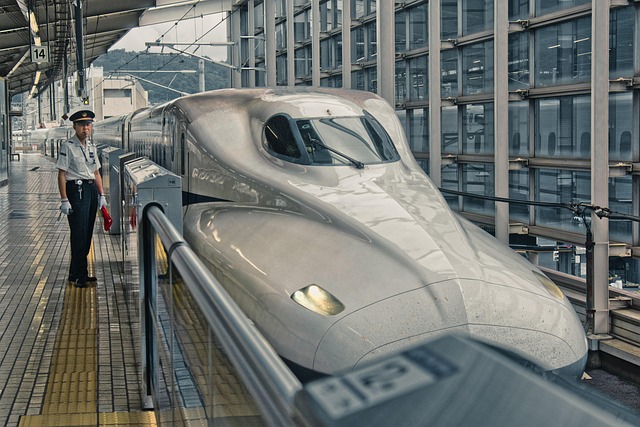
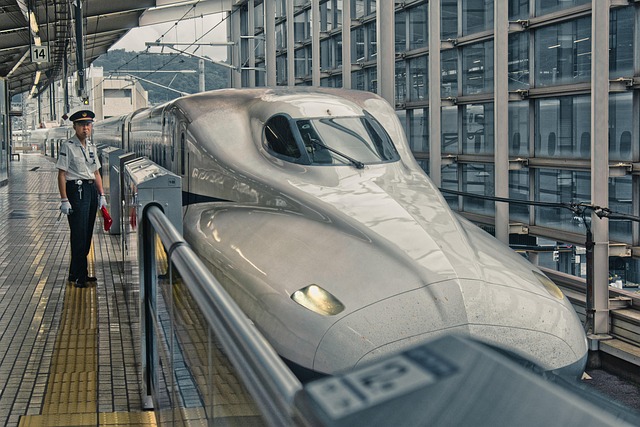
Furthermore, the savvy traveler now understands that Japan is best experienced through intentional transitions. Using the Shinkansen Green Car isn’t just about the extra legroom; it’s about the silent environment that allows you to decompress. When planning your route, remember that in Japan, the space between the landmarks is where the real magic happens. It’s in the quiet bento meal on the train and the misty morning walk in a rural valley that you find the Japan you actually came to see.
KEYWORDS: kyoto ryokan, hozugawa river, tokyo city skyline
Photo: Pixabay / Pixabay License